Best Travel eSIM Plans for Global Connectivity in 2025
Imagine stepping off a plane in Bangkok and instantly connecting to fast, local data without hunting for a physical SIM card. That’s the reality of a travel eSIM, a digital SIM that activates before you even leave home by scanning a simple QR code. You keep your existing number for calls and texts, while the eSIM provides affordable data in over 190 countries, eliminating roaming fees and the hassle of swapping tiny plastic cards. Just purchase, install, and travel with seamless, always-on connectivity from the moment you land.
Why Your Next Trip Needs a Digital SIM Card
Your next trip needs a digital SIM card because it eliminates the frantic search for a local provider upon arrival. Instead of swapping physical cards and risking loss, you purchase and install a travel eSIM online before you depart. This means you are connected the instant your plane lands, with no queue at airport kiosks. You keep your primary number active for essential alerts like banking codes, while the eSIM handles affordable data. It also saves you from expensive roaming fees by letting you compare and switch between data plans for different countries instantly from your phone’s settings. Travel eSIM technology transforms connectivity from a logistical hurdle into a seamless, one-tap setup, freeing you to focus on your itinerary from the moment you step off the plane.
How a Virtual SIM Eliminates Roaming Fees
When you use a travel eSIM, your phone connects to local networks abroad, bypassing your home carrier entirely. This means no daily roaming charges are applied. A virtual SIM assigns you a local data profile, so mobile traffic routes through a regional carrier’s infrastructure. As a result, you only pay the local data rate, which is a fraction of what your home operator would charge for international roaming. For example, a European eSIM plan might cost $10 for 10GB, whereas roaming could be $20 per MB. Local network registration eliminates the need for expensive backhaul from your home provider.
- Purchase and install a travel eSIM before departure.
- Activate the profile upon arrival; your device registers on a local tower.
- All data and calls use local rates, not your home plan’s roaming fees.
Instant Connectivity Without Physical Plastic
Forget fumbling with a pocketful of ill-fitting plastic SIMs. A travel eSIM delivers instant connectivity without physical plastic, activating within minutes via a simple QR scan. You land, switch on data, and your phone latches onto a local network immediately—no airport kiosk queues, no nano-to-micro adapter nonsense. This digital-only approach means zero risk of losing your original SIM in some foreign hotel room; your home number stays safe while a virtual profile handles the roaming. Manage plans directly from your device, swapping profiles for different countries in seconds, not by swapping cards.
Key Differences From Traditional SIM Cards
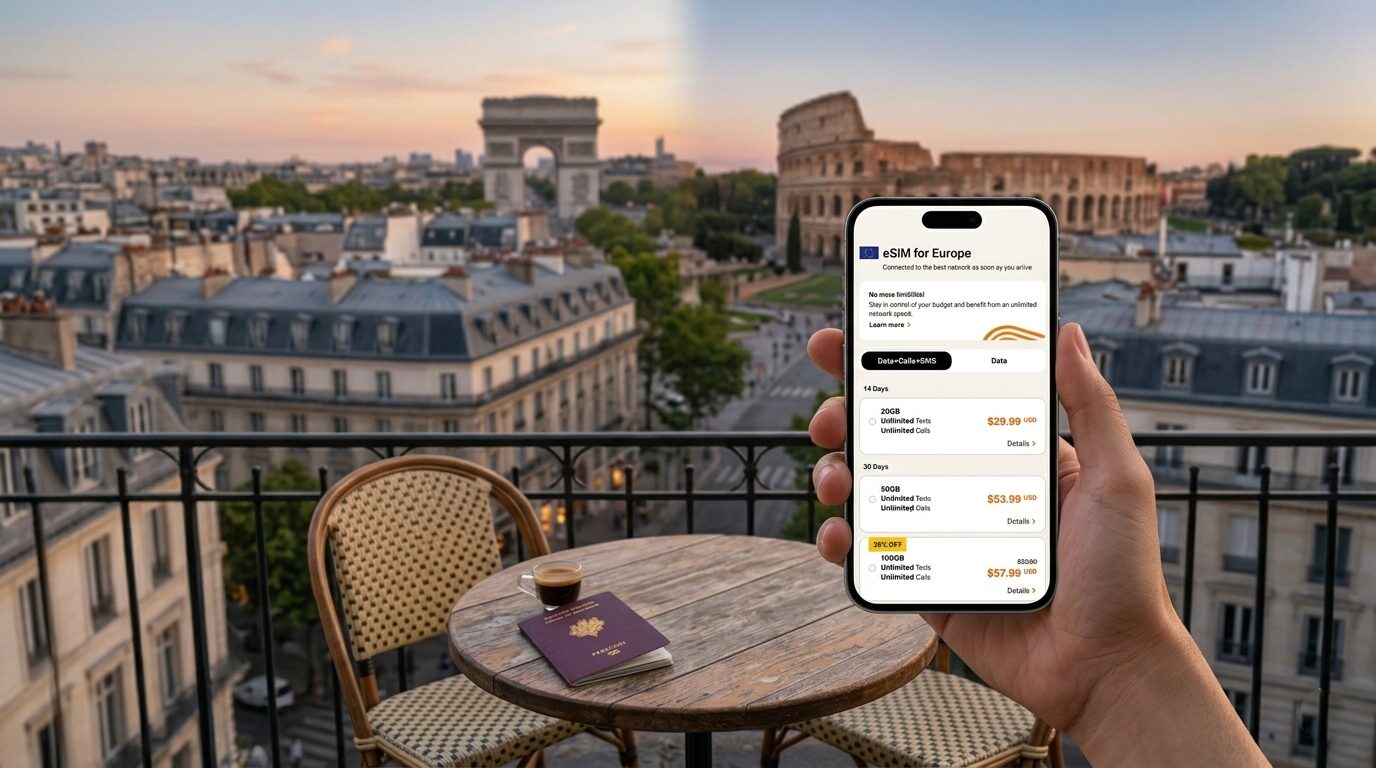
Unlike a plastic SIM, a travel eSIM is pre-installed digitally, meaning you can activate a local data plan before you even leave home. This eliminates hunting for a physical store or dealing with tiny trays at the airport. Singapore eSIM Where a traditional SIM locks you to one carrier, a digital SIM allows you to store multiple plans simultaneously and switch between them instantly. This provides seamless multi-network flexibility, letting you compare coverage on the fly without swapping cards or risking losing your primary number.
Choosing the Best Virtual Network for Your Journey
When choosing the best virtual network for your journey, first check if the eSIM uses primary local carriers in your destination, not just roaming partners. A travel eSIM with strong local coverage ensures you’re not stuck with slow speeds in crowded cities or remote areas. Look for plans that offer dedicated network switching, which automatically connects you to the strongest available signal without manual fiddling. Also, verify that the virtual operator supports 5G and doesn’t throttle video streaming—crucial for navigating or sharing moments on the go. Finally, opt for a provider with clear, upfront data speeds and zero hidden deprioritization clauses; that keeps your maps and apps reliably snappy wherever you wander.
Top Providers and Their Global Coverage Maps
When evaluating top travel eSIM coverage maps, providers like Airalo, Holafly, and Ubigi excel by offering interactive world maps on their sites, letting you zoom into specific countries to confirm LTE bands before purchase. Airalo’s map spans 190+ countries with regional packages, while Holafly focuses on unlimited data zones across Europe and Asia. Always double-check the map’s “partner networks” tab, as coverage can drop in rural corridors. Ubigi’s map highlights Japan and high-speed corridors in the Americas.
- Airalo’s global map allows you to filter by regional bundles (e.g., “Global” vs. “Asia”)
- Holafly’s coverage map clearly marks destinations with unlimited data versus capped plans
- Ubigi’s map distinguishes between “4G/5G” zones and “roaming-only” areas
- Most providers now embed real-time coverage updates based on local carrier partnerships
Comparing Data Plans for Short and Long Stays
For a weekend getaway, a small, high-speed data package works perfectly, but for a month-long trip, you need a plan that prioritizes volume over speed bursts. Comparing data plans for short and long stays is crucial because daily unlimited plans drain your budget on extended travels. A 10GB plan for a week offers simplicity, but a 30-day plan with throttled speeds after the cap often saves more money for digital nomads. Q: Should I buy a 7-day or 30-day plan for a three-week trip? A: Buy one 30-day plan—it is cheaper than stacking two 7-day plans and avoids the hassle of reactivation mid-journey.
What to Look for in Multi-Country Packages
When scanning multi-country packages, zero in on true regional coverage maps rather than just a continent name. Some plans skip smaller countries or certain carriers, leaving you stranded. Always check if your specific destinations are actually included, not just the region on the package title. Also, confirm whether the data pool refreshes per country or is shared across all—pooled is simpler. Finally, look at speed caps: many multi-country plans throttle after a small amount of high-speed data.
- Verify every country on your itinerary is explicitly listed.
- Check if the total data is a single shared pool or separate per nation.
- Read the fine print for speed throttles after an initial high-speed cap.
- Look for “zone” packages to save if visiting adjacent regions.
Activating Your Digital Profile Before Departure
Activating your digital profile before departure is a critical step for using a travel eSIM seamlessly. This process typically involves logging into your account on the provider’s app or website, where you must ensure your device is listed under your profile and that billing details are current. The eSIM activation process often requires scanning a QR code or entering a confirmation code provided upon purchase, but this should be done while you still have a stable home Wi-Fi connection. After installing the profile, enable the eSIM line in your phone’s cellular settings and designate it for data roaming. Verify the profile is active by checking for signal bars, and complete any required identity verification steps before you depart to avoid connectivity issues abroad.
Device Compatibility Checks for iPhone and Android
Before traveling, verify your iPhone or Android device is unlocked and supports eSIM. Check your iPhone’s settings under “About” for “No SIM restrictions,” while Android users should confirm eSIM activation in network settings or through their carrier. Device compatibility hinges on carrier unlocking—a locked phone will reject a travel eSIM. Even a recent model may fail if sourced from a restrictive region or older firmware. For iPhone, models from XS onward typically work; for Android, ensure your specific model lists eSIM support in its official specs. Skipping this check risks a non-functional profile upon arrival.
Step-by-Step Installation via QR Code or App
For a seamless pre-departure setup, install your travel eSIM via a direct QR code scan or the provider’s dedicated app. Simply purchase your plan, then open your phone’s settings to “Add Cellular Plan” and scan the QR code delivered to your email. App-based installation automates this process, often detecting your device automatically. This eliminates the risk of losing a physical card during transit. Follow on-screen prompts to label your new line for data, ensuring immediate activation upon arrival without network hunting.
Quick Troubleshooting for Common Activation Glitches
If activation stalls, first toggle Airplane Mode on for 30 seconds to force the network refresh. Quick troubleshooting for common activation glitches often resolves when you manually select your carrier under Cellular Network settings. For persistent failures, delete and reinstall the eSIM profile via the provider’s app; this scrubs corrupted data. Finally, verify your phone’s software is updated, as outdated OS versions frequently block profile installation.
- Toggle Airplane Mode to reset network detection
- Manually select your local carrier from network list
- Delete and reinstall the eSIM profile from your account
- Install the latest iOS or Android system update
Boosting Internet Speeds While Abroad
To boost internet speeds while abroad, a travel eSIM lets you dodge throttled public Wi-Fi by connecting directly to strong local networks. Peak performance comes from choosing a carrier that partners with premium-tier roaming partners, not budget resellers.
Switch your eSIM’s APN to “iot4g” or a carrier-specified fast lane—this bypasses default congestion on shared towers.
Also, lock your device to LTE instead of 5G in weak-signal zones, as 5G often drops to slower fallback speeds. For video calls or uploads, manually select a network via your eSIM app if one provider lags—another locally dominant carrier may offer double the throughput.
Managing Data Usage With Built-in Settings
Managing data usage with built-in settings on your phone is crucial when using a travel eSIM. Activate low data mode to restrict background app refreshes and automatic downloads. On iOS, navigate to Settings > Cellular > your eSIM plan; on Android, locate Data Saver in Network settings. Disable automatic updates for apps and system files, as these can drain your high-cost roaming allowance. Restrict video streaming quality to standard definition (480p) within apps like YouTube or Netflix. If your eSIM plan offers a daily cap, set a cellular data limit warning under the same menu to avoid overage fees.
Question: How do I prevent apps from using background data?
Answer: Go to your device’s mobile data settings for the travel eSIM, select each app individually, and toggle off “Background Data” to restrict all background network activity.
Tips for Switching Between Local and Home Networks
To maintain consistent speeds abroad, prioritize automatic network selection in your eSIM settings. Manually toggle between your home carrier and the local eSIM profile when signal weakens, keeping your primary line off for data to avoid roaming charges. In iOS, disable “Allow Cellular Data Switching” to prevent automatic fallback to slower home networks. On Android, lock data to the local eSIM under “Preferred network type.” Regularly refresh network lists to connect to the strongest local tower, especially after crossing borders. Toggle airplane mode briefly if speeds drop, forcing a fresh network scan.
Tools to Monitor Consumption and Avoid Overage
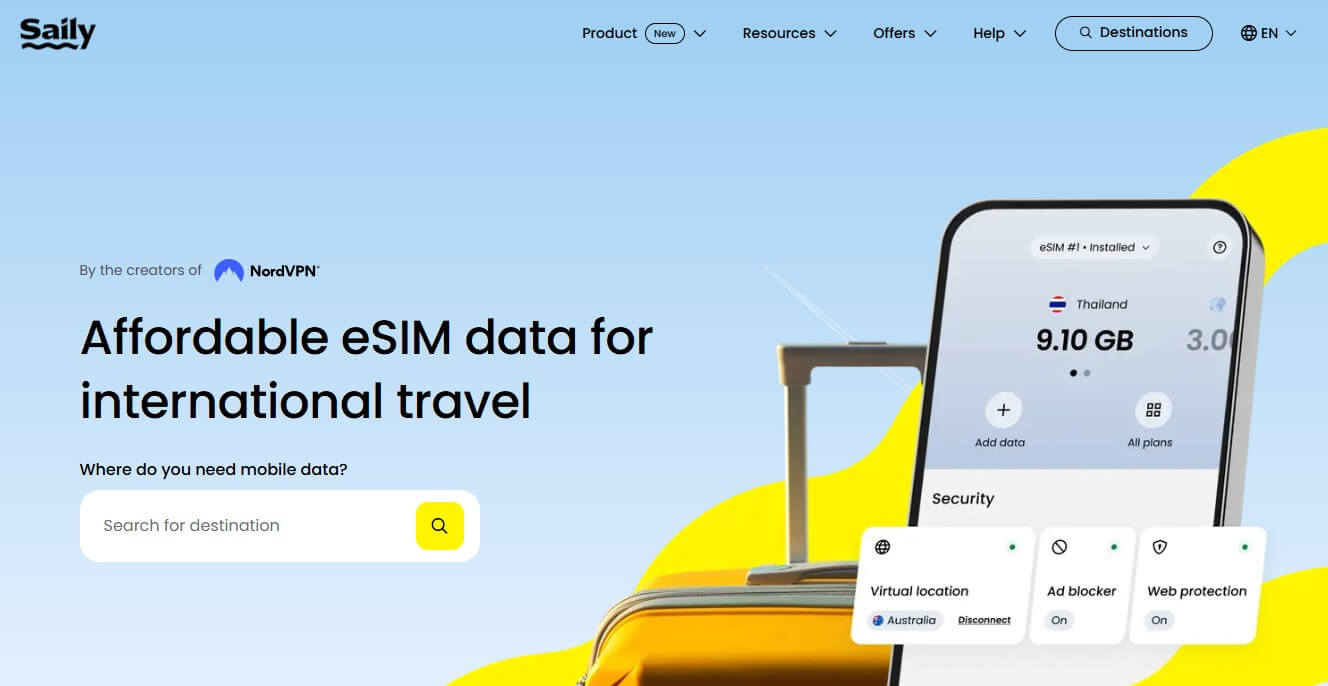
Monitoring data use is critical when traveling with an eSIM, as exceeding your plan triggers costly overage fees. Most eSIM providers integrate a dashboard within their app, displaying real-time consumption in megabytes or against your allowance. Additionally, your device’s native settings, such as iOS’s “Cellular Data Usage” or Android’s “Data Saver,” track per-app consumption precisely. For granular control, a dedicated third-party tool like eSIM data tracker provides automatic alerts at customizable thresholds—10%, 50%, or 90%—preventing surprise charges. Always reset these trackers at the start of your trip to align with your eSIM plan’s billing cycle, ensuring accurate consumption oversight.
Navigating Costs and Unlimited Options
Navigating costs with travel eSIMs means ignoring promotional “unlimited” headlines in favor of reading the fair-use policy; true unlimited plans often throttle to unusable 2G speeds after a small data cap. Instead, match your data allowance to your actual usage—buy a 1GB plan for maps and messaging, not a 10GB plan for streaming. The real savings come from layering a local regional eSIM over a global plan, bypassing per-MB roaming rates. Always calculate the price per gigabyte across your destinations, as a single, expensive “unlimited” option can cost more than two smaller, targeted plans. Avoid auto-renewal traps by manually setting a budget and deleting the eSIM profile upon return.
How Pricing Varies by Region and Duration
Pricing for travel eSIMs hinges primarily on regional data costs and the length of your stay. A 7-day plan for high-demand regions like Western Europe typically ranges higher than a 30-day plan for a single Southeast Asian country. Regional data pricing is usually tiered: global or multi-region plans carry steep premiums, while local or single-country plans offer the lowest per-GB rates. Duration further compounds this; a 3-day plan often has a high per-day cost, whereas a 30-day plan dramatically lowers the cost per gigabyte, rewarding longer trips with bulk discounts. For example, a 1GB/7-day plan for Japan might cost $8, but the same data volume for Eastern Europe could be $15.
Q: Why does a 30-day global plan cost more than three separate 10-day regional plans? A: Global plans bundle expensive roaming agreements across disparate networks, whereas regional plans leverage localized partnerships for cheaper rates on specific durations.
Hidden Fees in Prepaid Data Bundles
That “unlimited” prepaid data bundle for your travel eSIM might hide a twist. Providers often bury throttling and fair usage caps in the fine print, slowing your connection after a few gigabytes even if the plan says “unlimited.” Watch for activation fees, a per-day “maintenance” cost, or charges for keeping your original SIM active alongside the eSIM. Always check the bundle’s terms for speed limits before you buy.
Bottom line: always read the fine print for hidden throttling and activation fees before buying a travel eSIM bundle.
Comparing Unlimited vs. Tiered Plans for Heavy Users
For heavy users, comparing unlimited vs. tiered travel eSIM plans hinges on data consumption patterns. An unlimited plan offers freedom from worry about overage fees, making it ideal for streaming or frequent video calls. However, fair usage policy caps often throttle speeds after a certain threshold, rendering the “unlimited” label misleading. Conversely, a tiered plan provides high-speed data in fixed amounts, costing less per GB if your usage is predictable but risking expensive top-ups if you exceed your limit. Heavy users should scrutinize throttling thresholds on unlimited options to avoid slow, unusable connectivity.
Real-World Scenarios for Business and Leisure
A business traveler lands in Seoul and immediately joins a video conference via their travel eSIM, avoiding airport Wi-Fi delays. Later, they share a large file with a client using the same local data plan. For leisure, a tourist in Tokyo streams navigation maps and restaurant reviews without hunting for café passwords. A family on a road trip across Italy uses separate eSIMs on each phone to coordinate meet-up points via messaging apps. This setup allows one person to handle urgent work calls while others stream entertainment, all on the same trip. The traveler never physically swaps a SIM, as the eSIM activates upon arrival, ensuring instant connectivity for both booking a taxi and responding to an urgent email. This seamless transition between professional tasks and personal exploration defines its practical value.
Streaming and Video Calls on the Road
Streaming and video calls on the road demand consistent, high-speed data, which a travel eSIM delivers by connecting to robust local networks without throttling. You can confidently join critical Zoom meetings from a bustling café or stream 4K entertainment in your hotel without hunting for erratic Wi-Fi. For frequent travelers, uninterrupted video call quality becomes a reality, as the eSIM automatically switches to the strongest signal, preventing dropouts during conference presentations. This seamless connectivity turns unpredictable journeys into productive sessions, whether you’re negotiating a deal via FaceTime or unwinding with Netflix after a long flight.
Using GPS and Ride-Sharing Apps Seamlessly
With a travel eSIM providing instant data activation, GPS navigation and ride-sharing apps function identically to how they do at home. You open Google Maps or Uber, and your phone locates you via the eSIM’s native data connection—no Wi-Fi hunting or local SIM swap required. This eliminates the common friction of offline map downloads or failed ride requests due to spotty roaming. Instant location pickup ensures your driver finds you accurately, and turn-by-turn directions update in real time without buffering. Q: Can I use Uber in a foreign country with just an eSIM? A: Yes, as long as the app has international payment setup; the eSIM supplies the data needed for maps and ride-hailing, just like your home carrier.
Backup Options When Wi-Fi Is Unreliable
When the hotel Wi-Fi cuts out mid-video call, a travel eSIM becomes your instant lifeline. You can seamlessly switch over to a local data plan without hunting for a café with a signal. For truly shaky connections, offline map preloading is your best friend, letting you navigate streets without streaming every tile. Pair this with download-while-on-Wi-Fi for movies or work documents, ensuring your commute isn’t wasted. The eSIM also lets you activate a minimal data package just for messaging apps or ride-hailing, so you’re never stranded even when public networks fail completely.
Common Myths About Digital Roaming
A common myth is that a travel eSIM requires you to remove your physical SIM card. In truth, most dual-SIM phones allow your primary line to remain active for calls and texts while the eSIM handles data roaming. Another misconception is that digital roaming is prohibitively expensive; however, travel eSIMs often offer flat-rate data plans cheaper than standard carrier add-ons. Many also believe connectivity is unreliable, but travel eSIMs connect to local networks just as a physical card would. Finally, people fear a complex installation process, yet activating a travel eSIM typically involves simply scanning a QR code upon arrival.
Debunking Security Concerns With Encrypted Connections
A common myth is that travel eSIMs create security vulnerabilities while roaming. In reality, your connection is secured by the same military-grade encryption standards used by leading financial institutions. The data traveling between your device and the local network is fully encrypted, making interception unreadable to attackers. Unlike public Wi-Fi, which often lacks this protection, an eSIM’s encrypted tunnel ensures every message, login, and transaction remains private, regardless of the country you visit.
Encrypted connections from your travel eSIM make digital roaming as secure as your home network, debunking the fear of data exposure abroad.
Clarifying Compatibility With Older Handsets
A common myth is that older handsets cannot use a travel eSIM. In reality, compatibility depends on the device supporting an eSIM profile, not its age. Many flagship phones from 2018 onward, like the iPhone XS or Google Pixel 3, include this feature. You can check your device’s settings for “Add eSIM” or “Cellular Plan” to confirm. Clarifying compatibility with older handsets often reveals a phone is ready. Does my 2019 smartphone work with a travel eSIM? Yes, if it has an eSIM chip. Check your model number online to be sure.
Addressing Signal Strength in Rural Destinations
Addressing signal strength in rural destinations busts the myth that travel eSIMs automatically fail where towers are sparse. Your device’s hardware and the local carrier’s frequency bands dictate reach, not the eSIM itself. To boost connectivity, manually select a network with lower frequency bands in your eSIM’s settings, as these travel further through trees and hills. Avoid crowded highways where signal is pinched by terrain.
- Switch to 4G LTE instead of 5G to lock onto wider-range signals.
- Position your phone near a window or higher ground when stationary.
- Download offline maps ahead of time to reduce real-time data reliance.
Future Trends in Global Mobile Access
Future trends in global mobile access will pivot on travel eSIM technology enabling seamless, multi-network bonding. Travelers will soon automatically connect to the strongest local signal across multiple carriers simultaneously, eliminating dead zones. The key shift is immediate activation, where a single eSIM profile pre-loads regional plans that activate upon crossing a border without scanning a QR code. Devices will intelligently switch between data-only and voice-over-LTE profiles based on real-time congestion, ending the hassle of manual network selection. This pushes travel eSIM beyond simple roaming into a truly adaptive, always-on global connection. Physical SIM trays will become obsolete, replaced by an embedded chip that manages dozens of localized virtual profiles.
How eSIM Technology Is Evolving for Dual Profiles
Travel eSIM technology now supports dual active profiles, allowing simultaneous connection to a home and a local network without manual switching. This evolution enables users to keep their primary number for verification while routing data through a travel eSIM. Advanced profile management tools let travelers toggle data priority, set default lines for calls, and store multiple inactive profiles for future trips. Seamless profile switching now occurs in under a second, eliminating SIM card swaps entirely. These practical enhancements mean a traveler can maintain WhatsApp access on their home number while streaming maps via a local data plan, all from a single device interface.
Dual profile eSIM evolution prioritizes simultaneous connectivity and instant switching, letting travelers merge home and local services without friction.
Integration With IoT Devices and Smart Luggage
Your travel eSIM will soon act as the brain of your entire luggage ecosystem. It lets your smart suitcase’s GPS tracker ping you directly with its location, even if your phone has no signal. You’ll get an alert when airport handlers open your bag, and the eSIM can remotely lock or unlock it for a security check. This real-time bag tracking means you can follow your luggage’s exact path to the carousel, and your case will buzz your wristband when it arrives, making lost bags a total non-issue.
Predictions for Zero-Roaming Universal Plans
Predictions for Zero-Roaming Universal Plans point to a future where a single travel eSIM subscription replaces all regional SIMs. Travelers will purchase one plan that works everywhere, automatically connecting to local networks without per-day fees. This shift eliminates the need to research destination-specific eSIM offers or swap profiles between trips. You will pay a flat monthly fee for global data at local speeds, with no surprise charges or throttling after crossing borders. The key advantage is true global connectivity without incremental roaming costs, making connectivity as seamless as your passport.
Summary: Zero-Roaming Universal Plans will deliver one eSIM subscription for all countries, removing roaming fees and the hassle of swapping SIMs for travelers.
What Exactly Is a Travel eSIM and How Does It Work?
The Core Technology: Embedded SIM vs. Physical Plastic Card
How Data Plans Are Delivered and Activated Remotely
Compatible Devices: Which Phones and Tablets Support It
Key Benefits of Using a Digital Roaming Card for Travelers
Instant Connectivity Upon Landing Without Hunting for a Local Store
Keeping Your Home Number Active While Using a Separate Data Plan
Cost Savings Compared to Traditional International Roaming Fees
How to Choose the Right Plan for Your Next Trip
Data Allowance: Matching Gigabytes to Your Browsing and Streaming Habits